







Search Results for: it is
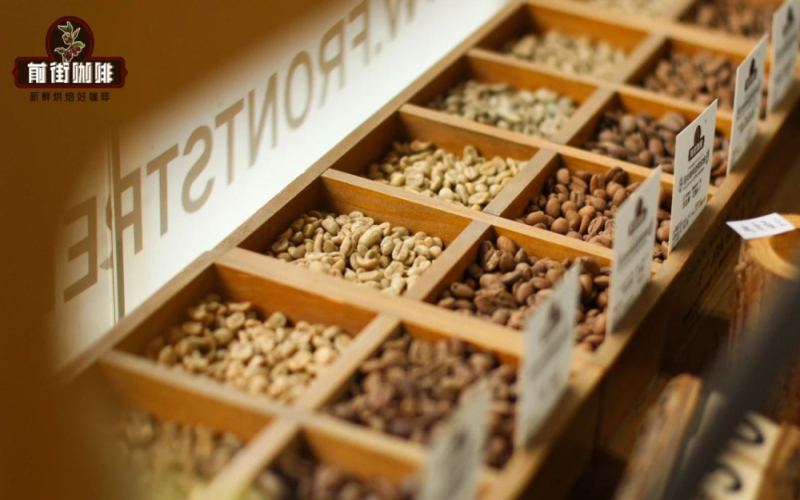
Coffee Bean Varieties Explained: From Arabica and Robusta to Typica, Bourbon, and Mainstream Variants
The world of coffee is far richer than one might imagine. From the two main species, Arabica and Robusta, to Typica, Bourbon, and their many genetic mutations and hybrid varieties, every type of coffee bean has its own unique origin story, flavor profile, and suitable growing environment. This article systematically sorts out the origins and characteristics of common coffee varieties, including well-known coffees such as Blue Mountain, Mandheling, Kona, and Geisha, as well as improved varieties like Caturra, Catuai, Pacas, and SL28, helping coffee enthusiasts build a complete framework of variety knowledge and have clearer direction when purchasing and tasting. [more…]
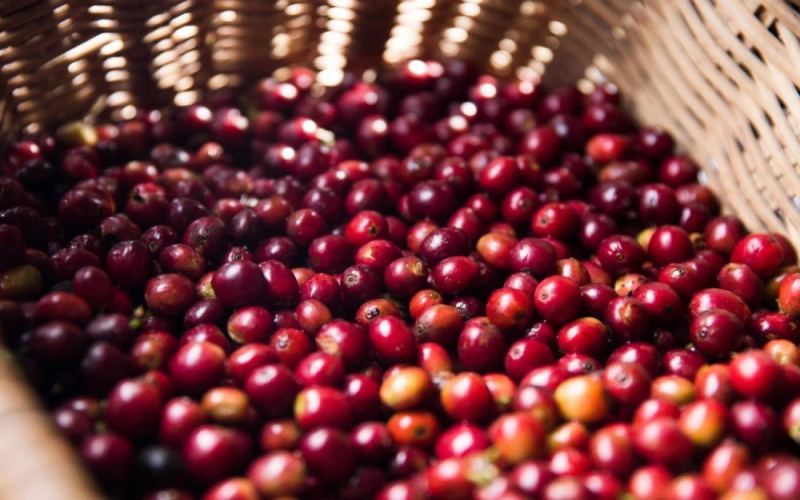
A Complete Guide to Coffee Bean Varieties: A Flavor Map from Typica and Bourbon to Caturra, Maragogype, and Geisha
The world of coffee is far richer than we imagine. From the two main commercial species, Arabica and Robusta, to classic derivative varieties such as Typica, Bourbon, Caturra, and Maragogype, and on to the Geisha that has been so highly sought after in recent years, every variety carries a unique story of terroir and genetics. This article systematically sorts out the classification system of coffee varieties, explains in detail the origin, characteristics, and flavor performance of each variety, and includes Front Street Coffee's recommended tasting guide to help coffee lovers find their own cup among the dazzling array of beans on the menu. [more…]
There are over five hundred species of coffee trees worldwide, with subdivided varieties numbering as many as six thousand. Faced with such a dazzling array of coffee beans, many enthusiasts often recognize only the two major names, Arabica and Robusta, while having only a vague understanding of the family lineage behind them. This article systematically sorts out the complete脉络 of coffee varieties: first introducing the four major coffee tree species and their commercial value, then explaining in detail the two main lines under Arabica—Typica and Bourbon—as well as the common variants derived from them such as Mandheling, Blue Mountain, Kona, Maragogype, Pacamara, Caturra, Catuai, and Geisha, and finally supplementing with interspecific hybrid varieties of Arabica and Robusta. Whether you are a beginner just starting out or a seasoned player looking to refine your cupping knowledge, this lineage chart can help you build a clear framework for understanding coffee varieties. [more…]
Coffee Bean Variety Guide: Origins and Flavor Profiles of 11 Common Beans Including Typica, Bourbon, and Maragogipe
In the world of coffee, the two great camps of Arabica and Robusta support the daily cup for the vast majority of people, but what truly makes flavors endlessly varied are those ancient names hidden within the variety pedigree: Typica, Bourbon, Maragogype, Caturra, Mundo Novo... They either originate from the primitive forests of Ethiopia or were born from laboratory hybrid breeding, and each one carries a unique origin story and flavor imprint. This article systematically sorts out 11 of the most common coffee bean varieties, from botanical classification to cupping performance, from the elegance of Typica to the sweetness of Bourbon, from the huge size of Maragogype to the floral and fruity aromas of Geisha, breaking down their characteristics, producing regions, and representative beans one by one. Whether you are a pour-over enthusiast or an espresso player, this is a variety guide worth keeping. [more…]
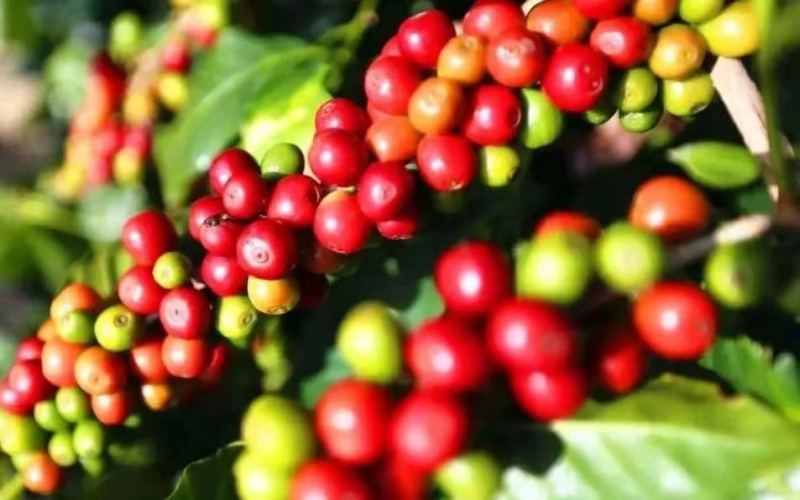
Arabica, Robusta, and Liberica: Flavor Differences and Main Producing Countries of the Three Native Coffee Species
The landscape of the coffee world is shaped by three primary species: Arabica, Robusta, and Liberica. Each has its own strengths in terms of yield, flavor, growing conditions, and uses. Arabica dominates with about 75% of the market, Robusta accounts for roughly 20%, while Liberica makes up only about 2%. This article will systematically outline the origins, major producing countries, flavor characteristics, and roles in the coffee industry of these three species, and also introduce representative beans sold by Front Street Coffee. Whether you are a beginner just getting into coffee or an enthusiast seeking more advanced knowledge, you will gain a clear framework for understanding coffee varieties and how different beans shape the flavors in your cup. [more…]

Does Specialty Coffee Only Mean Arabica? A Full Analysis of the Three Native Species and Common Arabica Varieties
The variety of coffee beans directly influences the flavor profile in the cup and also determines the growing conditions and disease resistance of the coffee tree. In the specialty coffee world, Arabica is the absolute dominant species, but Arabica is not the only answer for specialty coffee. This article starts with the three major native coffee species, sorting out the differences among Arabica, Robusta, and Liberica in flavor, yield, and uses, then delves into common Arabica sub-varieties such as Typica, Bourbon, Caturra, and Geisha, explaining their origins, plant characteristics, cultivation performance, and cupping styles one by one, and includes production region and processing information for several corresponding Front Street Coffee products, for coffee lovers to follow the guide. [more…]
Brazilian Yellow Bourbon Coffee Beans: A Comprehensive Analysis of Flavor Characteristics, Mouthfeel, and Aroma
The Bourbon family occupies an important position in the genealogy of coffee varieties. From Kenya's SL series to Brazil's Yellow Bourbon, Caturra, and Pacas, each variant has its own unique origins and flavor expression. Among them, Yellow Bourbon, which is unique to the state of São Paulo, Brazil, has become a highly watched variety in the specialty coffee world thanks to its standout results in the Cup of Excellence (CoE) competitions. This article will systematically sort out the origins and evolution of the Bourbon family, focusing on the variety characteristics and growing-region profile of Brazilian Yellow Bourbon, and present Front Street Coffee's recommended Queen Estate Yellow Bourbon natural batch, analyzing its balanced sweetness, creamy smoothness, and flavor profile woven together with orange, apricot, and chocolate caramel. [more…]
A Complete Analysis of Coffee Variety Classification Names | What Are the Ancient Arabica Varieties Like Typica and Bourbon?
The flavor, quality, and even the difficulty of cultivation of coffee are all closely tied to the variety of the coffee bean. This article systematically sorts out the three major native species of coffee—Arabica, Robusta, and Liberica—and focuses on introducing Typica, Bourbon, and their many derived varieties, including their origins, characteristics, and representative producing regions. From their origins in Africa to their global spread, from the ancient Typica to the Geisha that has swept the specialty coffee world, you will see how varieties shape the personality of a cup of coffee. The article also intersperses information on the producing regions, estates, altitudes, and processing methods of several corresponding Front Street Coffee products, making it easy for enthusiasts to trace them one by one and understand the connection between varieties and flavors in the cup. [more…]
Analyzing the Relationship Between Arabica and Specialty Coffee: An Overview from the Three Primary Species to Major Varieties Such as Bourbon, Typica, and Geisha
Many people habitually equate Arabica coffee beans with specialty coffee beans, but from a definitional standpoint, specialty coffee is necessarily Arabica, while Arabica does not necessarily reach specialty grade. This article begins with the global spread of coffee varieties throughout history, sorting through the varietal distribution of major producing regions such as Africa, Latin America, Asia and the Pacific, and Australia, then moves into a botanical taxonomy perspective, introducing the three primary species—Arabica, Robusta, and Liberica—and expanding one by one on the origins, characteristics, and flavor profiles of common varieties such as Typica, the Bourbon family, Caturra, Catuai, Pacas, Mundo Novo, Tim Tim, Catimor, and Geisha, while interspersing information on representative products from the Front Street Coffee brand, helping coffee enthusiasts build a clear framework for understanding varieties. [more…]
A Complete Analysis of Arabica Coffee Varieties: Typica, Bourbon, and Geisha—Three Classic Lineages and Flavor Comparison
The flavor and quality of coffee are largely determined by variety. From Ethiopian heirloom varieties to Geisha, which has swept the specialty coffee world, the Arabica species has given rise to numerous varieties such as Typica, Bourbon, Caturra, Catuai, and Pacas, each with its own unique cupping performance and cultivation characteristics. This article systematically sorts out the classification framework of coffee's three main native species, traces the spread history of Typica and Bourbon, explains in detail the flavor differences of the Bourbon family and its derived varieties, and introduces one by one the rise of Geisha. The article also compiles information on a number of representative products from Front Street Coffee corresponding to these varieties, helping coffee enthusiasts build a clear framework for understanding coffee varieties. [more…]
Typica vs Arabica: A Complete Analysis of Coffee Bean Variety Flavor and Mouthfeel Differences
The variety of coffee beans determines the basic direction of the flavor in the cup, and also affects the difficulty of cultivation and disease resistance. Within the large Arabica family, Typica and Bourbon are the two oldest foundations, from which many varieties such as Caturra, Catuaí, Mundo Novo, and Geisha have been derived. Front Street Coffee takes you through a systematic overview of the flavor characteristics and taste differences from heirloom varieties to popular varieties, and introduces the representative producing regions and product information of each variety one by one, helping you understand the flavor logic behind coffee varieties more clearly. [more…]
Typica and Arabica Relationship Explained: Coffee Variety Classification, Flavor Characteristics, and Processing Methods Overview
Many people ask what exactly the difference is between Typica and Arabica—in fact, Typica is an ancient variety under the Arabica species. This article starts with the three major native coffee species, outlining the characteristic differences between Arabica, Robusta, and Liberica, then takes a deeper look at the origins, flavor profiles, and cultivation traits of well-known varieties such as Typica, Bourbon, Caturra, Catuai, and Geisha. It also combines the growing regions, altitudes, and processing methods of several representative products from Front Street Coffee to help coffee enthusiasts build a clear framework for understanding coffee varieties. [more…]
A Review of Eight Instant Coffee Brands: Nescafé Tops the List, with Each Brand's Features and Taste Explained One by One
The instant coffee market is crowded with brands, each with its own distinct character. This article reviews eight well-known instant coffee brands—from Nestlé, the inventor of instant coffee, to the popular Korean brand Maxwell, Germany's Cless, Japan's UCC, Colombia, Grant, Ming Coffee, and Hong Kong's Tsit Wing—introducing each brand's background, product features, and taste profile one by one. Nestlé sells 4,000 cups globally every second, Maxwell wins on value for money, UCC sticks to a quality-focused path, Grant specializes in Italian-style cappuccino, and Tsit Wing offers a low-calorie light series. Whether you're an office worker seeking a caffeine boost or a coffee enthusiast who cares about flavor, you'll find something useful in this roundup. [more…]
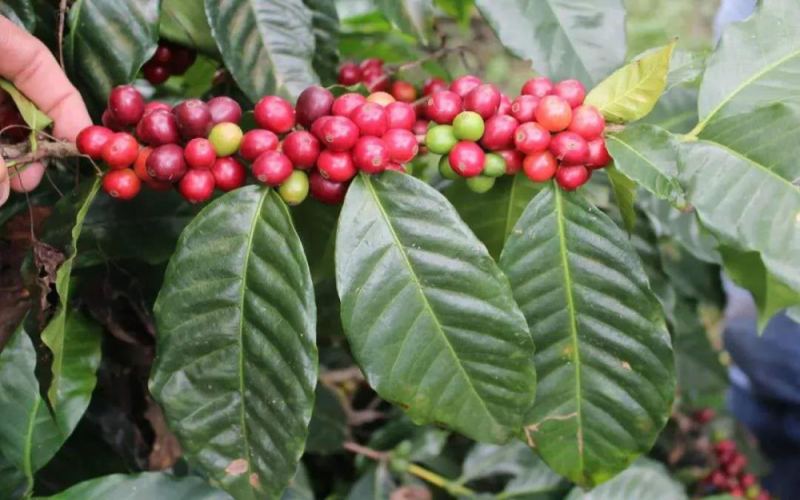
What Variety Is Liberica Coffee? A Full Analysis of Its Origin, Flavor Characteristics, and Current Cultivation Status
There are three main species of coffee cultivated commercially worldwide: Arabica, Robusta, and Liberica. The first two are ones we encounter frequently in daily life, while Liberica is rarely mentioned. It originated in Liberia, West Africa, and has a tall tree form and large fruit, which is why it is called "large bean." Liberica is extremely adaptable and once became a replacement crop in Southeast Asia after the coffee rust outbreak at the end of the 19th century; today the Philippines is the world's largest producer. However, it has a one-dimensional flavor, strong bitterness, and an intense smoky character, and has even been described as "liquid tobacco." Add to that the difficulty of harvesting and its scarce yield, and it accounts for only about 5% of total world coffee production. This article will comprehensively sort out Liberica's origin, spread, flavor characteristics, and cultivation in China, and will include Front Street Coffee's brewing suggestions. [more…]
KOUANDJI Estate, New Caledonia, South Pacific: The Rare Legend of Bourbon Pointu Leroy Coffee Beans
In the Melanesian archipelago of the South Pacific, New Caledonia is like a vibrant oasis, hiding one of the world's rarest, most expensive, and most unusual coffees. KOUANDJI Estate is located at the foot of the mountains about 25 kilometers southeast of the capital, Nouméa, and is dedicated to reviving the region's nearly vanished coffee-growing industry. The estate cultivates "Leroy," also known as Bourbon Pointu, named for the pointed ends of its fruit. Its caffeine content is only half that of ordinary Arabica, and its yield is extremely low—even the French presidential palace must purchase it in limited quantities. Front Street Coffee has always paid attention to such niche, rare bean varieties. This article will take you deeper into the story behind its historical origins, variety characteristics, and unique flavor. [more…]
Why Is Oat Milk Priced Higher? A Full Analysis from Production Process to Market Supply and Demand, and Its Differences from Almond Milk and Cow's Milk
With more and more plant-based milk options available today, oat milk often sparks discussion because of its relatively high price: what exactly makes it so expensive—is it a marketing premium or the result of underlying costs? This article begins with the production process of oat milk, breaking down the complete flow of how it is made from oats and water through steps such as enzymatic hydrolysis and filtration, and compares the differences between almond milk and dairy milk in nutrition, taste, and price. At the same time, by examining supply and demand dynamics and shelf-life constraints, it explains why oat milk sells for more in cities, and what more budget-friendly alternatives exist, including feasible methods for making oat milk at home. The article also retains recommended channels for specialty coffee beans for coffee enthusiasts to reference. [more…]
Affogato Recipe and How to Enjoy It Properly: Is Vanilla Ice Cream Indispensable?
Affogato is a classic Italian coffee dessert, named for the way espresso "drowns" ice cream, and today it can be found in cafes and restaurants around the world. This article will provide a comprehensive analysis of this dessert that blends hot and cold, from the controversies over affogato's origins, the standard method of preparation, variations in the selection of ice cream and coffee, alcoholic versions, to simple home recipes and future development trends. Whether you want to know whether it counts as a dessert or a drink, whether you can substitute other flavors when you don't have vanilla ice cream, or how to easily recreate it at home, you will find practical answers in this article. [more…]
A Complete Guide to Coffee Variety Classification and Flavor Profiles: From Arabica and Robusta to the Typica and Bourbon Families
Coffee is no longer just a pick-me-up; it is a lifestyle. Yet, faced with shelves overflowing with coffee beans, do you truly understand the differences between the varieties behind them? There are over 500 species of coffee trees worldwide, with Arabica and Robusta dominating commercial cultivation. From the native Typica of Ethiopia, to the Bourbon that mutated after being transplanted to Yemen, and to the Geisha that has taken the specialty coffee scene by storm in recent years, each variety displays distinctly different aromas and flavors due to differences in genetics and terroir. This article systematically sorts out the genealogical threads of coffee varieties, explains in detail the flavor divide between Arabica and Robusta, and introduces one by one the characteristics of Typica, Bourbon, and their many mutations and hybrid varieties. At the same time, by combining the flavor expressions of representative products under the Front Street Coffee brand such as Blue Mountain, Mandheling, Kona, and Pink Bourbon, it will guide you in building a complete cognitive map of coffee varieties. [more…]

What exactly is an iced Americano? How do you make it at home? How is it different from black coffee? Is it high in calories?
Iced Americano is a regular on many people's daily drink lists. It uses espresso as its base and is diluted with iced water or hot water. It is a type of black coffee and is also the first choice for many people when controlling calorie intake. As for its origin, there is a widely circulated claim that it is related to U.S. soldiers stationed in Italy during World War II. As for the mixing ratio of Americano, there is actually no uniform standard, and advocates range from 1:1 to 1:8. In addition to sorting out the basic concept, historical origins, and preparation methods of iced Americano, this article will also introduce Front Street Coffee's production recommendations and answer questions about its relationship with black coffee and its calories. [more…]

A Comprehensive Analysis of African Coffee Regions: Varieties, Flavors, and Processing Methods in Ethiopia, Kenya, and Beyond
Africa is an important region that cannot be overlooked on the global coffee map. From Ethiopia and Kenya in East Africa to Rwanda and Burundi in Central Africa, and further to Tanzania and Malawi in the south, this continent has produced high-quality coffees of diverse styles. African coffees are generally known for their rich aromas and lively fruity acidity, with natural and washed processing being the main methods. Due to drought and water shortages, the beans are often uneven in size, yet this has also given rise to a unique flavor signature. This article will systematically sort out the cultivation systems, representative varieties, grading systems, and flavor characteristics of major African producing countries, and will also include brewing suggestions and flavor descriptions for several African beans from Front Street Coffee, taking you through a comprehensive understanding of the charm of African coffee. [more…]